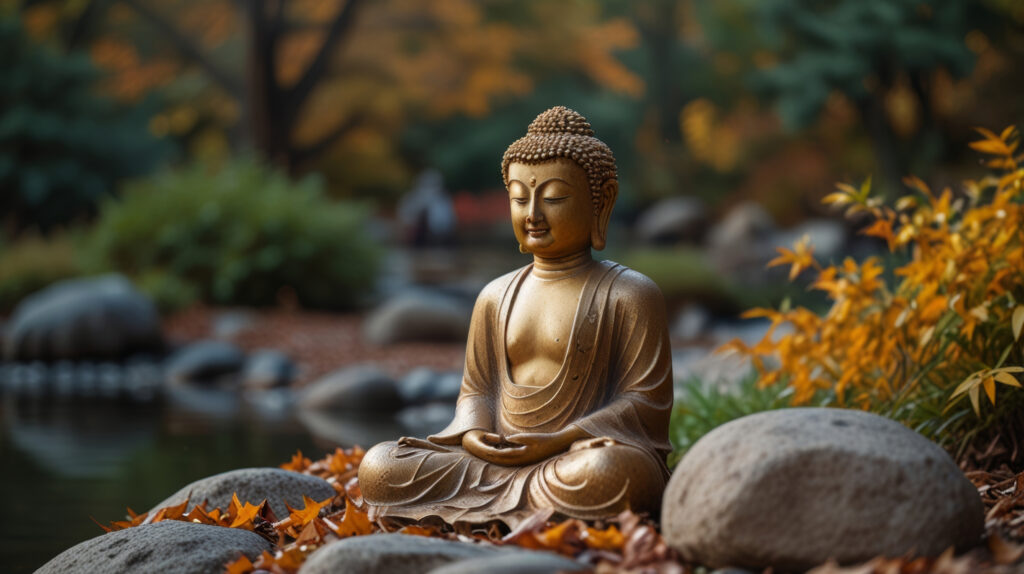
The Art of Inner Peace: Finding Calm in a World That Never Stops
Inner peace begins when we learn to quiet the noise around us, soften the noise within us, and reconnect with the simple experience of being present.
The Search for Inner Peace
We spend much of our lives searching for something that often feels just beyond our reach. We seek success, comfort, security, meaningful relationships, and experiences that bring us happiness. We imagine that once the right circumstances fall into place, we will finally be able to relax and feel at peace.
Yet even when life is going well, the mind can remain restless.
We replay conversations, worry about the future, revisit past mistakes, and create expectations about how things should be. We compare our lives to those of others and become consumed by responsibilities, obligations, and the endless stream of information competing for our attention.
The result is that we can move through entire days without feeling fully present in them.
Inner peace offers another way of experiencing life. It is not the absence of difficulty, nor does it require us to withdraw from the world. Rather, it is the ability to meet our experiences with greater calm, clarity, and acceptance—even when circumstances are imperfect.
It is learning that while we cannot control everything that happens around us, we can gradually develop a more conscious relationship with our thoughts, emotions, and responses.
Perhaps the most important discovery is this: inner peace is not something we must wait for life to give us. It is something we can begin cultivating, one moment at a time.
Learning to Quiet the Mind
The mind is remarkably active. It plans, remembers, evaluates, anticipates, and attempts to make sense of everything we encounter. This capacity is essential to daily life, but it can also become exhausting when our thoughts never seem to rest.
We may find ourselves mentally rehearsing tomorrow’s conversations while trying to fall asleep, worrying about circumstances we cannot change, or revisiting events that have already passed.
The challenge is not that we have thoughts. It is that we can become so absorbed in them that we lose contact with the present moment.
Meditation offers a way to begin changing this relationship.
Rather than attempting to force the mind into silence, meditation teaches us to observe our thoughts without automatically following them. We notice when our attention wanders, acknowledge what has captured it, and gently return to the breath or another point of focus.
With practice, we begin to recognize that a thought does not always require a response. A feeling does not have to dictate our next action. An uncomfortable moment does not necessarily need to be solved immediately.
This creates a little space between what we experience and how we react.
That space can be valuable. It allows us to pause, consider our options, and respond more intentionally rather than allowing habitual reactions to determine our behavior.
Quieting the mind is not about achieving perfect stillness. It is about learning to meet the mind with patience, awareness, and less resistance.
Making Peace with What We Cannot Control
Much of our inner tension comes from trying to control things that are not entirely within our power.
We cannot determine how other people will think or behave. We cannot prevent every disappointment, avoid every change, or guarantee that the future will unfold according to our plans.
Yet we often spend enormous amounts of mental energy attempting to do precisely that.
We replay difficult conversations in the hope of changing their meaning. We imagine every possible outcome before making a decision. We become frustrated when people do not meet our expectations or when circumstances disrupt the future we had envisioned.
Acceptance offers a different approach.
Accepting reality does not mean approving of everything that happens, abandoning our ambitions, or tolerating behavior that harms us. It means recognizing the difference between what is happening and what we wish were happening.
Once we acknowledge the situation as it is, we can decide what deserves our attention and what action, if any, is within our control.
Sometimes the wisest response is to make a change. Sometimes it is to establish a boundary. And sometimes it is to recognize that the situation cannot be changed right now and release the struggle against that fact.
Peace becomes more accessible when we stop demanding that every circumstance conform to our expectations before we allow ourselves to feel settled.
Letting Go of the Past
The past can occupy a surprising amount of space in the present.
We revisit mistakes, regret choices, and wonder how life might have unfolded had we acted differently. We may carry resentment toward people who have hurt us or continue to define ourselves through experiences that no longer reflect who we are.
Reflection can be useful. It helps us learn, recognize patterns, and make wiser decisions. But repeatedly revisiting an experience without gaining new understanding can keep us emotionally attached to something we cannot change.
Letting go begins with acknowledging what happened without requiring ourselves to pretend it did not matter.
We can accept that we made mistakes while still learning to treat ourselves with compassion. We can recognize that someone hurt us without allowing that experience to shape every future relationship. We can honor what was meaningful in our lives without needing to recreate it.
Forgiveness, when it becomes possible, does not require denying harm or restoring a relationship. Sometimes letting go simply means deciding that the experience no longer deserves all the attention we have been giving it.
The past can inform who we become without determining who we must remain.
And with each step toward releasing what cannot be changed, we create more room for the life that is happening now.
Releasing the Need for Everything to Be Perfect
Perfectionism often disguises itself as a desire to do things well. We want to make good decisions, maintain strong relationships, create beautiful surroundings, and meet the responsibilities we have accepted.
But when every detail must be right, life becomes a constant evaluation of what is missing.
We notice the flaws in ourselves, the shortcomings of others, and the distance between reality and our expectations. Even achievements can feel temporary because our attention has already moved to the next thing that needs improvement.
Inner peace requires us to make room for imperfection.
This does not mean abandoning standards or losing interest in excellence. It means recognizing that a meaningful life does not need to be flawless to be worthwhile.
A conversation can be valuable even when we struggle to find the right words. A home can feel beautiful without looking like a magazine. A relationship can be deeply fulfilling while still requiring patience, communication, and work.
And we can be worthy of rest even when our to-do list is unfinished.
Sometimes peace begins when we give ourselves permission to stop correcting, improving, and evaluating everything for a little while.
The Importance of Boundaries
Inner peace is not created through meditation alone. It is also influenced by the choices we make about how we spend our time, what we allow into our lives, and the responsibilities we agree to carry.
When we continually overextend ourselves, say yes when we mean no, or take responsibility for everyone else’s feelings, it becomes difficult to find room for our own needs.
Healthy boundaries help protect that room.
They may involve limiting interruptions, creating time away from digital devices, declining commitments that exceed our capacity, or stepping back from relationships that repeatedly undermine our well-being.
Boundaries are not punishments. They are a way of defining what we can reasonably give while maintaining respect for ourselves and others.
This can be difficult, particularly when we are accustomed to pleasing people or avoiding disagreement. But constantly sacrificing our own well-being to maintain external harmony often creates internal resentment.
A peaceful life does not require us to satisfy everyone. It requires us to make thoughtful decisions about what we can offer, what we need, and what is no longer sustainable.
Sometimes, saying no to one thing allows us to say a more wholehearted yes to something that truly matters.
Returning to the Present Moment
One of the simplest ways to cultivate inner peace is to become more attentive to the moment we are actually living.
So much of our attention moves between the past and the future that we overlook the immediate experience of being here.
We eat while checking messages. We listen to someone while preparing our response. We walk through beautiful surroundings while thinking about the next appointment.
Mindfulness invites us to interrupt this pattern.
It asks us to notice what is happening without immediately judging it or turning it into another problem to solve.
Feel the warmth of sunlight through a window. Notice the rhythm of your breathing. Listen to the sound of rain or the movement of leaves in the wind. Give a conversation your full attention.
These moments may seem small, but they remind us that life is not simply a series of tasks to complete. It is also an experience to inhabit.
You do not need to feel perfectly calm to be present. You can acknowledge worry while noticing your surroundings. You can feel sadness without becoming entirely absorbed in it. You can have a difficult day and still appreciate a beautiful moment within it.
The present moment does not have to be perfect to be worth experiencing.
Caring for the Body as Well as the Mind
Inner peace is often discussed as a mental or spiritual practice, yet our physical well-being also influences how we experience the world.
When we are exhausted, hungry, overstimulated, or physically tense, everyday challenges can feel more difficult to navigate. Giving the body appropriate care can support our ability to approach life with greater steadiness.
Regular movement, restorative sleep, time outdoors, nourishing food, and moments of physical relaxation can all contribute to a more balanced daily routine.
Gentle stretching, a quiet walk, a warm bath, or a few minutes spent breathing comfortably can become simple ways to transition out of the demands of the day.
It is also important to recognize when we need more support. Persistent anxiety, overwhelming stress, or emotional difficulties that interfere with everyday life deserve attention and, when appropriate, help from a qualified professional.
There is no contradiction between inner work and practical support. Caring for ourselves involves recognizing our needs and responding to them with compassion.
Peace is not something the mind must achieve while the body is ignored. It is supported by the way we care for ourselves as a whole.
Creating an Environment That Invites Calm
Our surroundings can influence how we feel. A room filled with clutter, noise, and interruptions may make it harder to unwind, while a thoughtfully arranged space can encourage a sense of ease.
Creating a peaceful environment does not require an expensive renovation or a dedicated meditation room. Sometimes, a few small changes can make a meaningful difference.
Let natural light enter whenever possible. Introduce comfortable seating, soft textures, and colors that feel restful to you. Reduce unnecessary clutter and choose a few objects that bring a sense of beauty or personal meaning to the room.
Sound can also shape the atmosphere. Some people find comfort in silence, while others prefer soft instrumental music or the gentle sounds of nature.
Consider setting aside a particular corner of your home for reading, reflection, meditation, or simply sitting without distraction. Over time, returning to this place can become a reassuring reminder to pause.
At Zen By Design, we believe that thoughtful surroundings can support the experiences we want to cultivate. Comfort, proportion, texture, and atmosphere help shape the way we inhabit our homes and spend our time.
A peaceful environment cannot create inner peace on its own, but it can make space for the habits that help nurture it.
Nurturing Meaningful Relationships
Inner peace does not require isolation. In fact, the quality of our relationships can play an important role in how grounded and connected we feel.
Relationships that provide trust, mutual respect, and emotional safety give us room to express ourselves honestly. They allow us to experience connection without constantly feeling that we must perform, impress, or hide our vulnerabilities.
Cultivating this kind of connection begins with the same qualities that support inner peace: awareness, patience, and an ability to listen.
We can practice listening without immediately judging or trying to fix someone else’s experience. We can communicate our needs clearly while making room for another person’s perspective. We can acknowledge mistakes, apologize when appropriate, and work toward resolving conflict without losing sight of one another’s dignity.
Meaningful relationships will inevitably involve differences and difficult moments. Inner peace does not mean avoiding disagreement. It means learning to navigate those moments without allowing every conflict to become a battle for control.
It also means recognizing when a relationship consistently causes harm and taking steps to protect our well-being.
Peace and connection can strengthen one another when relationships are built on honesty, care, and mutual respect.
Finding Stillness Through Simple Daily Rituals
Inner peace rarely arrives as the result of one dramatic decision. More often, it develops through small practices repeated over time.
A few minutes of meditation in the morning. A walk without a phone. An unhurried meal. A quiet moment before going to sleep. A deliberate pause before responding to something frustrating.
These rituals create opportunities to step out of automatic behavior and return to ourselves.
You might begin each morning by sitting quietly for five minutes and noticing your breathing. During the day, take a brief pause when you feel overwhelmed. In the evening, consider setting aside your devices and giving yourself time to unwind before bed.
The routine does not need to be complicated. In fact, simple practices are often easier to maintain because they do not become another source of pressure.
There will be days when the practice feels natural and others when it feels difficult. That is part of being human.
The intention is not to maintain perfect calm every day. It is to develop a reliable way of returning to yourself when life becomes noisy or demanding.
Inner Peace Is Not the Absence of Difficulty
Perhaps the greatest misconception about inner peace is that it means feeling calm and happy all the time.
Life will still bring uncertainty, disappointment, grief, conflict, and change. We will still experience anger, frustration, worry, and sadness. These feelings are not evidence that we have failed to find peace.
Inner peace is better understood as a way of meeting our experiences rather than a permanent emotional state.
It allows us to recognize difficult feelings without being defined by them. It helps us distinguish between a situation we can influence and one we must learn to accept. It creates opportunities to respond thoughtfully rather than react automatically.
Sometimes peace looks like a quiet mind. Sometimes it looks like the courage to make a difficult decision, the willingness to establish a boundary, or the patience to allow an uncomfortable feeling to pass.
And sometimes, it simply means accepting that today was difficult and allowing ourselves to rest.
We do not have to eliminate every struggle before we can experience moments of calm.
A Gentle Invitation to Begin
You do not need to change your life all at once to begin cultivating inner peace.
Start by noticing where your attention goes. Give yourself a few minutes of quiet. Let go of one unnecessary commitment. Spend time with someone who makes you feel understood. Step outside and allow yourself to experience your surroundings without immediately reaching for your phone.
Most importantly, approach the process with patience.
There will be moments when old habits return and your mind feels restless. There will be circumstances that challenge your sense of balance. Rather than treating these moments as failures, view them as opportunities to practice returning to what matters.
Over time, the goal is not to construct a life in which nothing disturbs you. It is to develop a steadier relationship with yourself—one that allows you to experience life’s pleasures more fully, navigate its difficulties more thoughtfully, and recognize that peace can exist even when everything is not resolved.
Inner peace is not a distant destination waiting somewhere in the future.
It begins in the choices we make today: to pause instead of rush, to listen instead of react, to accept instead of endlessly resist, and to give ourselves permission to experience life as it unfolds.
Because sometimes, the path to a more peaceful life begins with a single decision: to stop searching for a moment, become still, and simply be here.